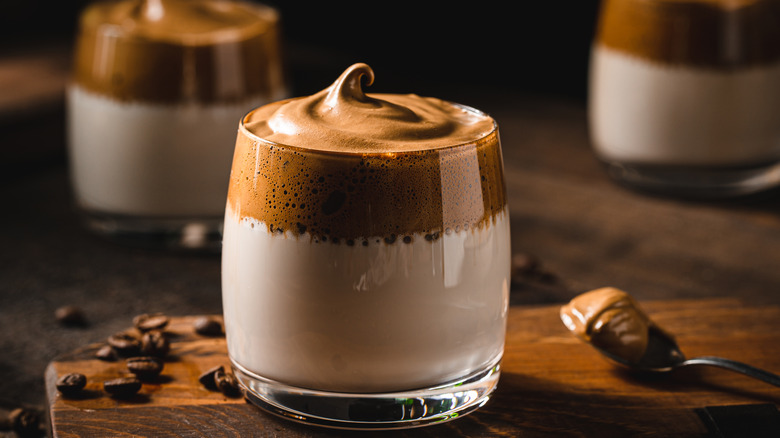
If your cafe offers a signature iced latte topped with a thick layer of vanilla sweet cream cold foam, you already know the nightmare of the 8:00 AM rush.
Your baristas are flying, lines are out the door, and suddenly a drink station grinds to a halt. Why? Because someone has to stop, unscrew a traditional whipped cream dispenser, discard a tiny 8-gram nitrous oxide ($N_2O$) charger, drop in a fresh one, screw it back together, and shake.
When you are prepping bulk whipped cream for coffee shop demands, relying on individual small-format chargers isn’t just slow—it’s a massive drain on your profit margins and labor efficiency.
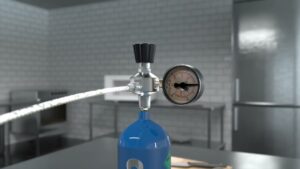
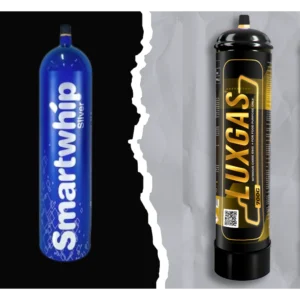
Here is how high-volume cafes are bypassing the small canisters and upgrading to large-format gas systems to keep the morning rush moving.
The Bottleneck of Small-Format Chargers
Traditional 8g cream chargers were designed for home kitchens or low-volume pastry stations—not high-output specialty coffee bars. If your shop processes dozens of cold foam or whipped cream orders an hour, the old-school method introduces critical issues:
- Compounded Labor Waste: It takes roughly 30 to 45 seconds to safely swap out an 8g charger, shake the canister, and test the pressure. Multiply that by 20 times a day, and your baristas are wasting hours of high-value labor every week on basic maintenance.
- Inconsistent Texturing: As small chargers lose pressure halfway through a canister’s lifespan, the foam structure degrades. The first drink gets a dense, velvety pillowy layer; the fourth drink gets loose, bubbly liquid that sinks straight into the iced coffee.
- Sky-High Packaging Waste: Discarding hundreds of metal canisters weekly creates literal piles of trash behind the counter, cluttering recycling bins and counter space.