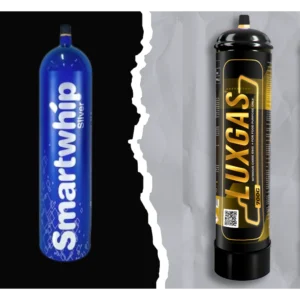
Transitioning from individual, old-school 8-gram cream chargers to a high-capacity Smartwhip cylinder is the single best workflow upgrade a high-volume cafe or bar can make. However, jumping to large-format nitrous oxide ($N_2O$) means moving away from self-limiting canisters and entering the territory of active pressure management.
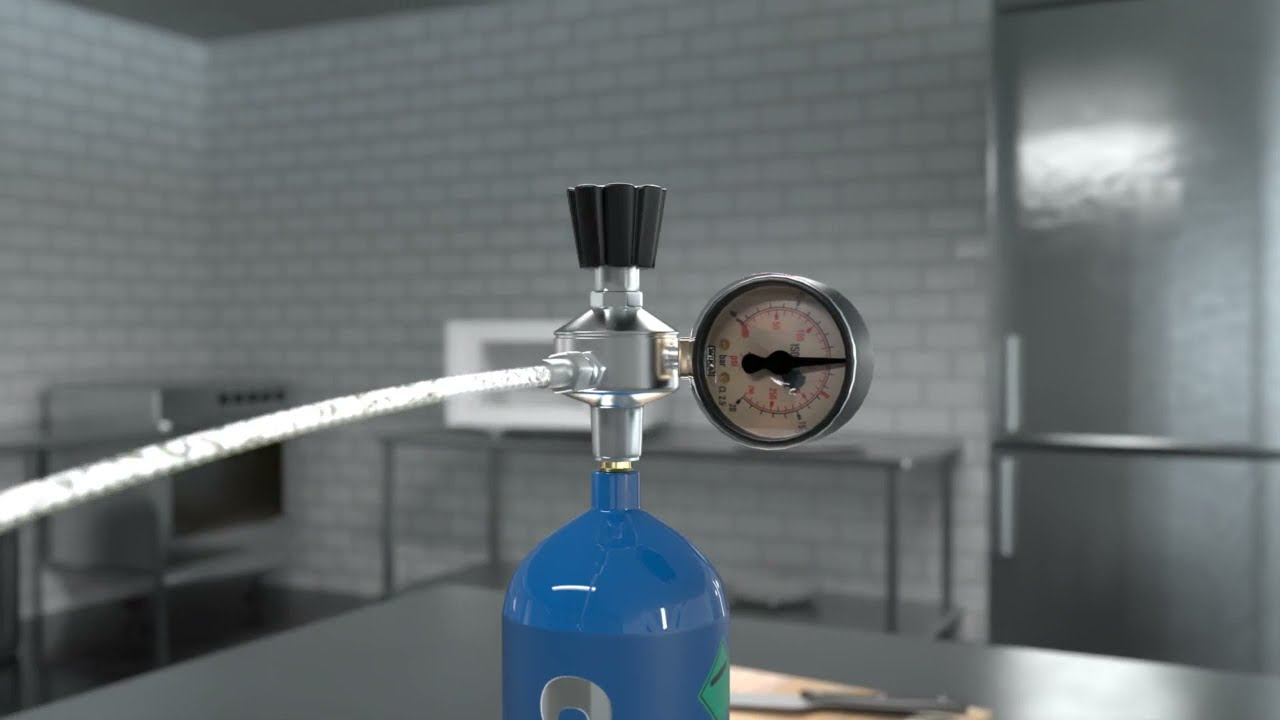
To bridge the gap between your heavy-duty steel cylinder and your stainless steel whipping siphon, you need a specialized pressure regulator.
The regulator does the vital job of stepping down the immense structural pressure inside the gas tank to a safe, workable level for your delicate kitchen tools. Failing to set up or configure this piece of hardware correctly can lead to inconsistent culinary textures, damaged siphon gaskets, or serious safety risks.
This comprehensive Smartwhip pressure regulator guide breaks down the exact technical installation, safety checkpoints, and pressure calibration settings required to optimize your station.
Step-by-Step Technical Hardware Setup
Before beginning installation, ensure your workspace is clean, dry, and free of any cooking oils or grease (compressed gas threads should never be lubricated).
1.Examine the Safety Gaskets:Inspect before threading.
Look inside the female connection nut of your regulator. Ensure the internal rubber or plastic sealing washer is completely intact, seated flush, and free of cracks. A missing or damaged washer will cause immediate gas leakage upon opening the main valve.
2.Mount the Regulator to the Cylinder:Hand-tighten first.
Align the regulator thread directly with the main output valve of your cylinder. Thread the connection nut clockwise by hand to ensure it is not cross-threading. Once snug, use an adjustable wrench to tighten the nut firmly. Do not over-tighten, as this can crush the safety washer.
3.Close the Regulator Flow Control:Zero out the line.
Locate the pressure adjustment knob or screw on the front of the regulator. Turn it completely counter-clockwise (or to the minus sign) until it spins easily. This ensures that when you open the main tank valve, gas does not surge down the line unexpectedly.
4.Connect the Filling Hose:Listen for leaks.
Take your high-pressure braided filling hose. Attach the threaded brass end firmly to the regulator output port. Take the opposite end (the quick-connect nozzle adapter) and click or screw it directly onto the intake valve of your empty, sealed whipping siphon.
5.Pressurize and Calibrate:Dial in the volume.
Slowly open the main valve of your cylinder. The cylinder pressure gauge will instantly spike to show the remaining gas level. Slowly turn the regulator adjustment knob clockwise until the secondary delivery gauge reaches your desired working pressure (PSI/Bar).