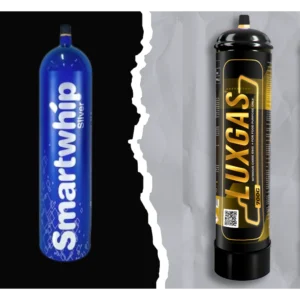
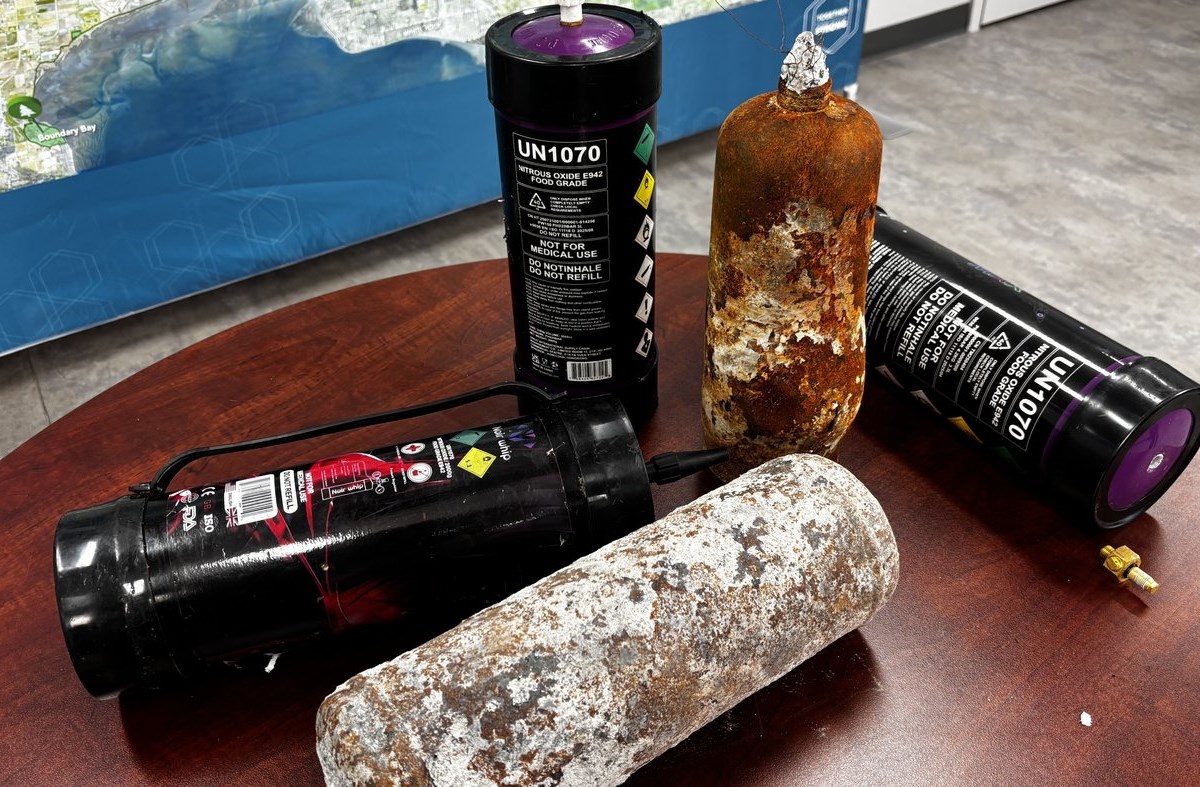
As commercial kitchens and bars upgrade from small 8-gram chargers to high-volume, large-format nitrous oxide ($N_2O$) cylinders, storage spaces naturally clear up. A single 670g or 2kg tank easily replaces dozens of tiny silver canisters, heavily reducing immediate packaging trash during a busy rush.
However, once those large cylinders finally run completely empty, a new operational question arises: How do you safely dispose of them?
Because these tanks are made of high-grade stainless steel or recyclable aluminum, they shouldn’t be tossed carelessly into standard municipal trash bins. To a waste management facility, a sealed cylinder is a high-pressure hazard. If a tank containing residual gas enters a high-heat trash compactor or shredder, it can explode violently, risking the safety of sanitation workers and damaging recycling machinery.
To protect your business from local environmental fines and lower your carbon footprint, your team must understand how to properly prepare and recycle empty cream chargers and large-format tanks.
The Compliance Workflow: Venting, Marking, and Sorting
Most modern cylinder brands (like Fastgas, Smartwhip, or InfusionMax) ship each tank with a small plastic accessory called a depressurization valve or release nozzle. This tool is the single most important element of your disposal process.
Follow this mandatory safety sequence to prepare your tanks for your local recycling stream:
1.Disconnect and Isolate the Tank:Clear the line.
Ensure the main cylinder valve is shut down tight. Disconnect your pressure regulator and filling hose from the tank. Move the empty canister away from your active cookline or bar station to a well-ventilated staging area or an outdoor loading dock.
2.Vent All Residual Gas:The most critical safety step.
Take the plastic release nozzle that came with your cylinder and screw it clockwise onto the threaded top output valve. As it tightens, it will automatically depressurize the tank. You will hear a loud hiss as the remaining gas escapes. Leave the nozzle attached until the hissing stops completely and no air comes out.
3.Verify Thermal and Pressure Equalization:Confirm zero pressure.
As compressed gas rapidly vents, the tank shell will become ice-cold to the touch and may frost over. Wait 10 to 15 minutes for the cylinder to return completely to ambient room temperature. Press the plastic nozzle down one final time to double-check that internal pressure is at absolute zero.
4.Mark or Puncture the Tank:Signal to recycling workers.
Once zero pressure is confirmed, use a permanent marker to write “EMPTY” in large letters on the cylinder body. If required by your local municipal scrap laws, remove the top valve completely using an adjustable wrench or puncture the target rupture disc on the shoulder to prove the tank cannot hold pressure again.
Where to Take Your Prepared Tanks
Once your stainless steel cylinders are completely depressurized, vented, and marked, they are no longer classified as hazardous materials. You have three primary avenues for ethical recycling:
1. Local Scrap Metal Centers (The Best Option)
High-grade stainless steel and structural aluminum are highly valued commodities. Industrial scrap yards gladly accept completely empty, punctured, or open-valve cylinders. Depending on your total regional volume, accumulating a batch of empty tanks can actually net your business a modest cash payout based on current scrap weight prices.
2. Commercial Waste Management Services
If your venue utilizes a commercial waste contract for your dumpsters, contact your representative. Many providers offer a designated bin or a scheduled pickup day specifically for non-hazardous scrap metals, preventing these structural shells from reaching local landfills.
3. Distributor Trade-In Programs
Many high-volume gas distributors operate a circular “empty-for-full” swap program. When your delivery driver arrives with your weekly supply of fresh culinary cylinders, they will often collect your marked, empty canisters to refurbish, test, and refill them at their primary bottling plant.
⚠️ Critical Disposal Violations to Avoid
To pass corporate compliance reviews and maintain a clean safety record, make sure your kitchen staff never commits these standard disposal mistakes:
- Never Incinerate Empty Tanks: Never toss an empty canister into an open fire, incinerator, or trash burner. Even an “empty” cylinder contains trace air molecules that will expand rapidly when exposed to extreme heat, causing a catastrophic rupture.
- Never Toss Directly Into General Waste: Standard garbage trucks use heavy hydraulic compactors. Placing a un-vented tank in general trash creates an immediate, highly dangerous explosion risk on public city streets.
3. Sustainability Manager Check
♻️ Green Kitchen Milestone: By converting your beverage and dessert station from traditional 8g small chargers to a single bulk cylinder system, you reduce your kitchen’s metallic component waste footprint by up to $90\%$ by mass. This simple workflow upgrade drastically lowers transport emissions and slashes unnecessary cardboard box packaging consumption from your inventory line.
4. B2B & Sustainability Social Media Copy
- LinkedIn/Hospitality Compliance Focus: Corporate sustainability and back-of-house safety aren’t mutually exclusive—they go hand in hand. If your kitchen or bar team is tossing empty culinary gas cylinders straight into general trash bins, you are introducing massive safety risks to municipal workers and risking heavy environmental fines. Bookmark our official guide to recycle empty cream chargers and large-format tanks cleanly, safely, and legally. ♻️🏢 [Link to Blog]
- Instagram Caption: Finished prepping your signature foams for the weekend? 🍦✨ Don’t just throw those empty tanks in the regular garbage! Because they are made of premium, heavy-duty stainless steel, they can be easily recycled. Grab the plastic venting tool, bleed out the remaining pressure, and check our bio link to see how to properly recycle your empty culinary cylinders!