In modern fine dining, a foam is far more than a decorative garnish—it is a functional vehicle for flavor delivery. By dramatically shifting the physical state of a liquid into a delicate, air-filled matrix, you change how it hits the human palate. Foams insulate the tongue, release aromatic compounds rapidly as their walls collapse, and add complex structural contrasts to a plate without adding heavy physical mass.
Historically, maintaining these delicate structures through a busy dinner service was a nightmare. Traditional hand-held immersion blenders produce unstable bubbles that dissolve into liquid before the plate even leaves the pass.
To bridge the gap between fragile chemistry and high-volume kitchen lines, modern chefs rely on high-precision gas delivery systems. Utilizing a culinary culinary foams recipe alongside an adjustable Smartwhip siphon system allows you to dial in exact pressure ranges, trapping millions of micro-bubbles inside your flavor base for a structural hold that easily survives the pass.
The Three Structural Pillars of Modernist Foams
To build a flawless foam, you must match your flavor liquid with the correct binding agent. In molecular gastronomy, foams are broadly categorized into three distinct structural families:
1. Espumas (Fat & Starch-Stabilized)
Coined by chef Ferran Adrià, espumas (Spanish for “foams”) rely on naturally occurring fats, gelatin, or dairy proteins to hold their shape. When pressurized in a whipping siphon, these ingredients create a dense, luxurious, velvet-like mouthfeel.
2. Airs (Lecithin-Based)
Airs are ultra-light, ethereal structures that mimic sea foam. They are held together by soy lecithin—a plant-derived lipid that lowers the surface tension of liquids, allowing water to trap massive pockets of air.
3. Elastic Foams (Hydrocolloid-Stabilized)
Built using advanced gums like xanthan gum or agar-agar, these foams create a resilient, elastic network that can withstand extreme temperature variations, perfect for sitting on top of piping hot components.
3 Essential Master Recipes for Your Prep Line
Implement these tested formulas to expand your current menu horizons. Ensure your Smartwhip regulator is calibrated accurately for each application.
Recipe 1: The Warm Parmigiano-Reggiano Espuma
A rich, savory blanket ideal for pairing with hand-rolled pastas, roasted root vegetables, or wild mushroom tartlets.
- The Mix: Melt 8 oz (225 g) of finely grated aged Parmigiano-Reggiano into 10 oz (300 ml) of hot heavy cream and 6 oz (175 ml) of dark chicken stock.
- The Binding Agent: Whisk in 2 bloomed bronze gelatin sheets until completely dissolved. Strain through a fine chinois to protect siphon mechanics.
- The Smartwhip Setting: Load the warm mixture into your siphon, seal tightly, and charge with your Smartwhip regulator set to 115 PSI. Shake 5 times and hold the siphon inside a circulating warm water bath (130∘F / 54∘C) during service.
Recipe 2: The Ethereal Citrus-Ginger Air
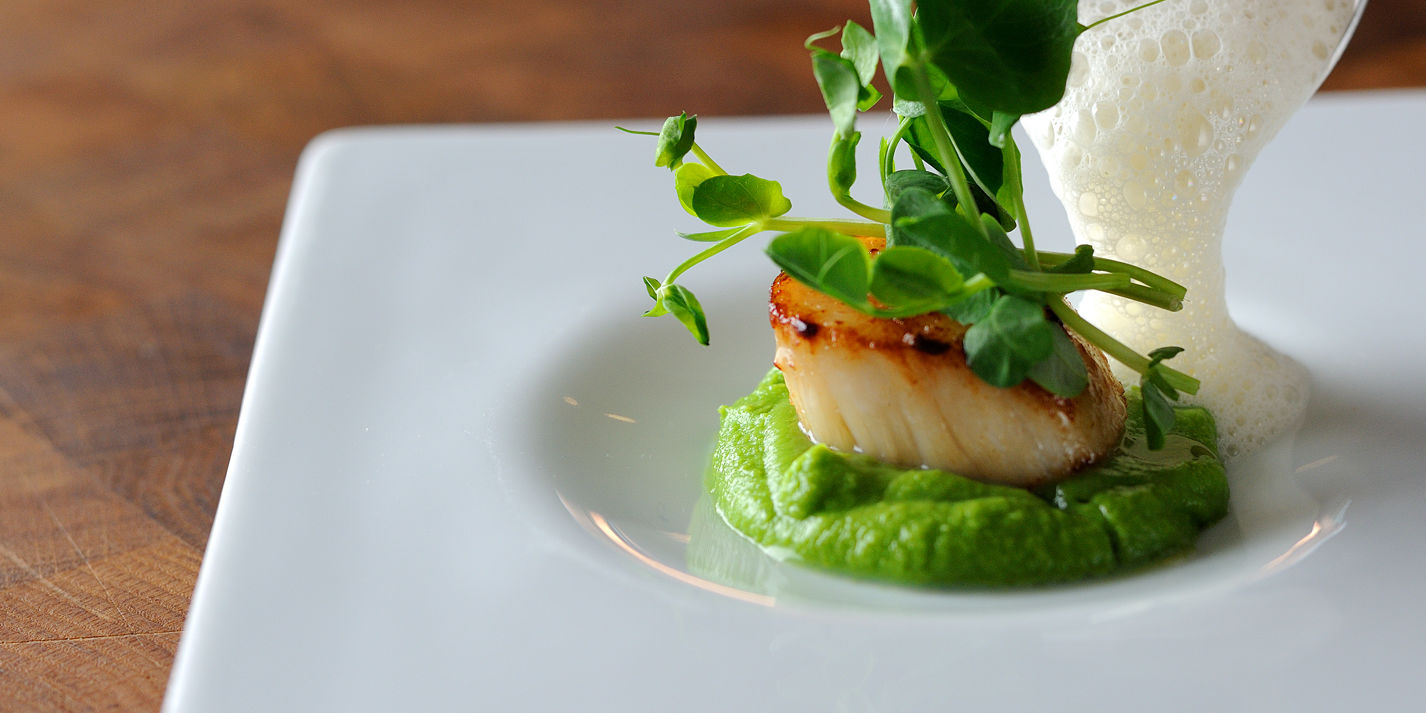
A brilliant, volatile flavor canopy designed to lift heavy seafood courses, raw crudos, or pan-seared scallops.
- The Mix: Combine 12 oz (350 ml) of fresh, clarified yuzu or lime juice with 4 oz (120 ml) of cold-pressed ginger water and a splash of simple syrup.
- The Binding Agent: Add exactly 2.5 grams of soy lecithin powder. Use an immersion blender to fully incorporate the powder until the liquid is entirely uniform.
- The Smartwhip Setting: Pour the liquid into the siphon. Charge with your Smartwhip system calibrated to a higher pressure of 135 PSI. Expel into a wide, shallow culinary dish; the high pressure creates a magnificent, shimmering cloud of citrus vapor.
Recipe 3: The Hot Wild Mushroom Elastic Foam
An earthy, aromatic topping that retains its structural density even when resting on hot roasted proteins.
- The Mix: Reduce 16 oz (475 ml) of concentrated, clarified wild mushroom consommé down with a dry white wine reduction and a hint of garlic oil.
- The Binding Agent: While the broth is hot, blend in 1.2 grams of xanthan gum. Blend for a full minute to fully hydrate the hydrocolloid chain.
- The Smartwhip Setting: Pour into your siphon. Charge at 125 PSI. Shake vigorously. This mixture can be dispensed directly onto hot steaks or roasted venison without melting into a liquid runoff.
Step-by-Step Culinary Foam Siphon Sequence
To ensure absolute safety and consistency when utilizing a pressurized Smartwhip cylinder with hydrocolloid-thickened mixtures, implement this identical prep line workflow:
1
Pass Through a Super-Fine Chinois
Zero particulate allowed
1.Pass Through a Super-Fine Chinois:Zero particulate allowed.
Even tiny micro-particles of un-dissolved herbs, spices, or setting agents will instantly jam the internal piston of your siphon head. Always strain your liquid base through a fine-mesh chinois or cheesecloth directly before loading the canister.
2
Respect the Fill Capacity Limits
Leave expanding room
2.Respect the Fill Capacity Limits:Leave expanding room.
Never fill your whipping siphon past the maximum etched line on the exterior of the bottle. Pressurized gas requires ample space inside the upper chamber to expand and seamlessly dissolve into the liquid base.
3
Connect and Charge via Smartwhip
Dial in precise pressure
3.Connect and Charge via Smartwhip:Dial in precise pressure.
Click your quick-connect hose to the siphon intake valve. Slowly turn your Smartwhip regulator dial up to match your selected recipe specifications (115 to 135 PSI). Introduce the clean N2O gas, wait for the regulator lines to balance out, and disconnect.
4
Thermal Rest and Agitation
Align the molecules
4.Thermal Rest and Agitation:Align the molecules.
Shake the charged siphon upside down to distribute the gas pockets evenly. For cold foam recipes, chill the upright canister in an ice-water bath for an hour. For warm espumas, keep the canister resting safely in a temperature-controlled water bath.
3. The Modernist Chef’s Golden Rule
⚠️ The Agitation Warning: More foams are ruined by over-shaking than under-shaking. Shaking your siphon forces the pressurized nitrous oxide into the lipid structures. For dairy or fat-heavy espumas, over-agitating will turn the internal mixture into solid butter, completely locking up the nozzle. Shake a maximum of 4 to 6 times, test a small sample away from the plate, and adjust fluid dynamics from there.
4. Suggested B2B Social Media Copy
- LinkedIn/Culinary Industry Network: Texture is the final frontier of modern menu development. If your kitchen line is still relying on immersion blenders to construct delicate culinary airs, you are sacrificing consistency during peak service hours. Learn how shifting your production flow to a dedicated culinary culinary foams recipe system powered by a high-capacity Smartwhip cylinder gives your team the precision to serve beautiful, stable molecular foams that hold up perfectly from the pass to the guest table. 🍽️👨🍳 [Link to Blog]
- Instagram Caption (High-End Pastry/Savory): Elevate your plates into art pieces. ☁️✨ We are pulling back the curtain on the exact science of molecular gastronomy foams. From rich, velvety Parmigiano espumas to delicate yuzu airs that melt on the tongue, we have put together the ultimate siphon guide for your prep line. Click the link in our bio to grab our 3 master culinary foam recipes and dial in your Smartwhip settings tonight! 🧪🍇